22 Aug 2026
Algorithmic Alerts Reshaping Tournament Entry Windows in Network Poker Platforms
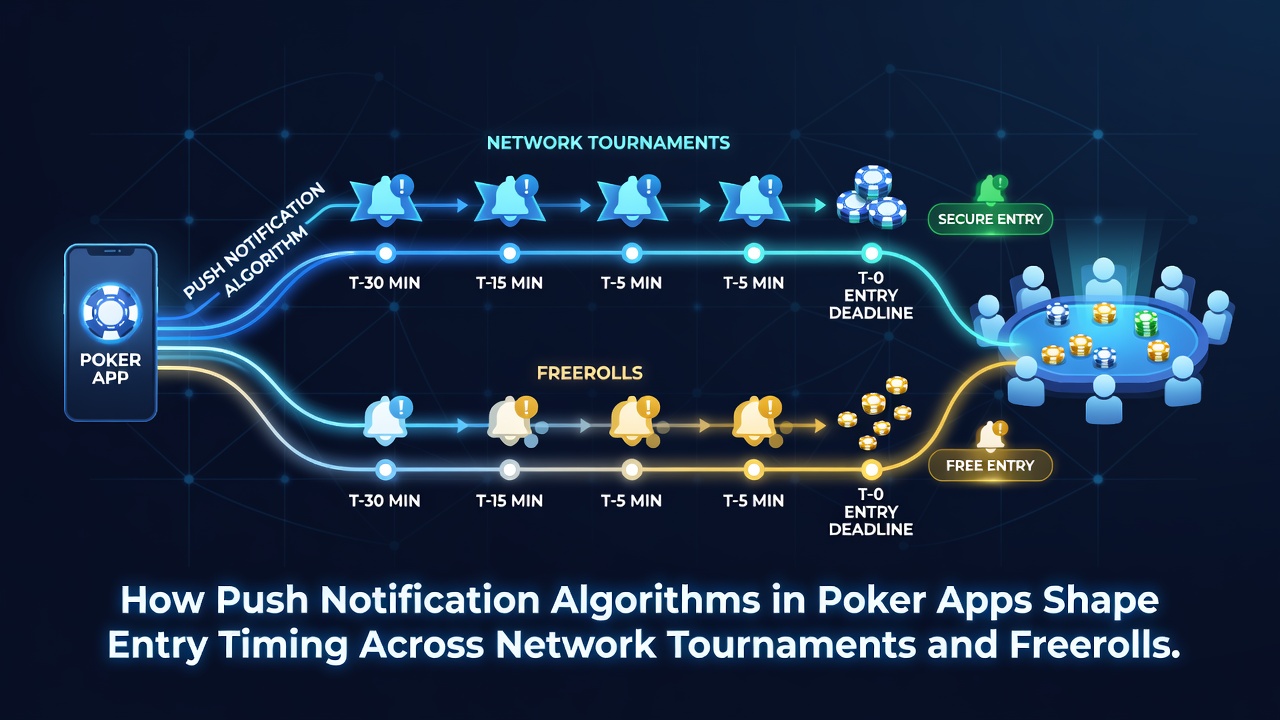
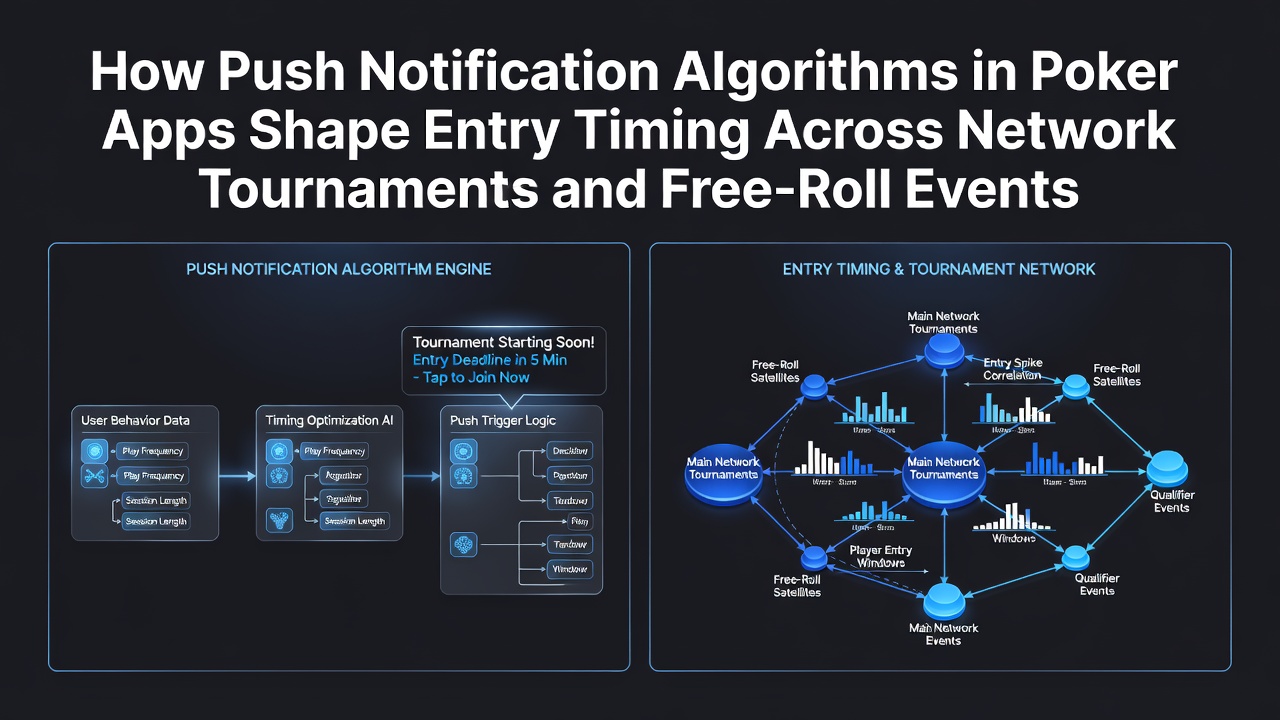
Push notification systems in poker applications rely on machine learning models that analyze player activity logs, device usage patterns, and historical entry data to determine when alerts reach users most effectively. These algorithms process variables including time of day, recent deposit behavior, and participation in similar events, then trigger messages that encourage entries during peak availability windows across multiple networks. Data from mobile engagement studies shows that optimized timing increases registration rates by aligning notifications with user circadian rhythms and regional tournament schedules.
Core Mechanics of Notification Timing Engines
Developers integrate behavioral signals such as session duration, past freeroll performance, and cross-platform login frequency into predictive frameworks that forecast ideal entry moments. When a network schedules a series of low-stakes events in August 2026, the system cross-references user time zones with expected field sizes and adjusts delivery to precede registration opens by calculated intervals. Observers note that this coordination reduces late entries while maintaining steady traffic through staggered alerts that avoid notification fatigue.
Network operators feed real-time tournament metadata into these engines, allowing dynamic adjustments when fields fill faster than projected. The result appears in aggregated entry curves where spikes coincide with notification batches rather than organic discovery alone. Research indicates that freerolls, which often feature shorter registration periods, benefit from tighter algorithmic windows that prompt action within minutes of alert receipt.
Impact Across Multi-Network Tournament Calendars
Players accessing several poker networks encounter synchronized or competing notification streams that shape decisions about which events to join first. Algorithms on one platform may detect overlapping schedules on another and accelerate alerts to capture priority registration. Figures from industry tracking services reveal that coordinated timing across apps leads to concentrated entry clusters in early evening hours for users in North American and European markets during major series.
Freeroll participants experience distinct patterns because these events frequently carry no entry fees yet deliver variable prize structures. Notification systems prioritize users who previously converted free entries into paid upgrades, sending reminders that highlight remaining seats or late-registration cutoffs. This selective targeting creates measurable differences in entry timing compared to standard buy-in tournaments where broader user bases receive generic alerts.
Regional Variations and Regulatory Context
Operators in different jurisdictions adapt notification logic to comply with local rules on promotional messaging. In markets overseen by bodies such as the Pennsylvania Gaming Control Board, timing engines incorporate restrictions on frequency and content to maintain compliance while still guiding entries. Similar frameworks in Canadian provinces and Australian states require documented consent mechanisms that further refine when and how alerts activate for eligible users.
Cross-border players often receive layered notifications that account for currency conversions and network-specific freeroll qualifiers. Algorithms factor in deposit method availability and processing speeds to avoid prompting entries when funding options remain unavailable. Industry reports from organizations like the European Gaming Association document how these refinements stabilize participation rates across fragmented regulatory environments.
Observed Patterns in Entry Behavior Data
Analysis of registration timestamps demonstrates that algorithmic prompts shift a measurable portion of entries away from last-minute rushes toward earlier, more predictable windows. This redistribution helps networks manage server loads during high-volume periods in August 2026 when multiple series run concurrently. Those monitoring participation metrics find that freerolls show sharper timing compression because the zero-cost barrier amplifies responsiveness to well-timed alerts.
Longer multi-table events benefit from staggered notification sequences that remind users of late-registration options without overwhelming inboxes. Data indicates these sequences maintain engagement through events that span several hours or days, where initial entries occur early yet additional participants join after receiving follow-up prompts tied to current field sizes.
Conclusion
Push notification algorithms continue to influence entry timing by processing behavioral and scheduling data into precise delivery schedules. Networks that refine these systems observe steadier registration flows across tournaments and freerolls, particularly when multiple platforms compete for attention during busy periods such as August 2026. The interaction between algorithmic timing and player availability produces measurable shifts in participation patterns that operators track through ongoing performance metrics.