9 Nov 2026
Correlating Cryptocurrency Uptake Patterns with Entry Surges Across Developing Poker Platforms
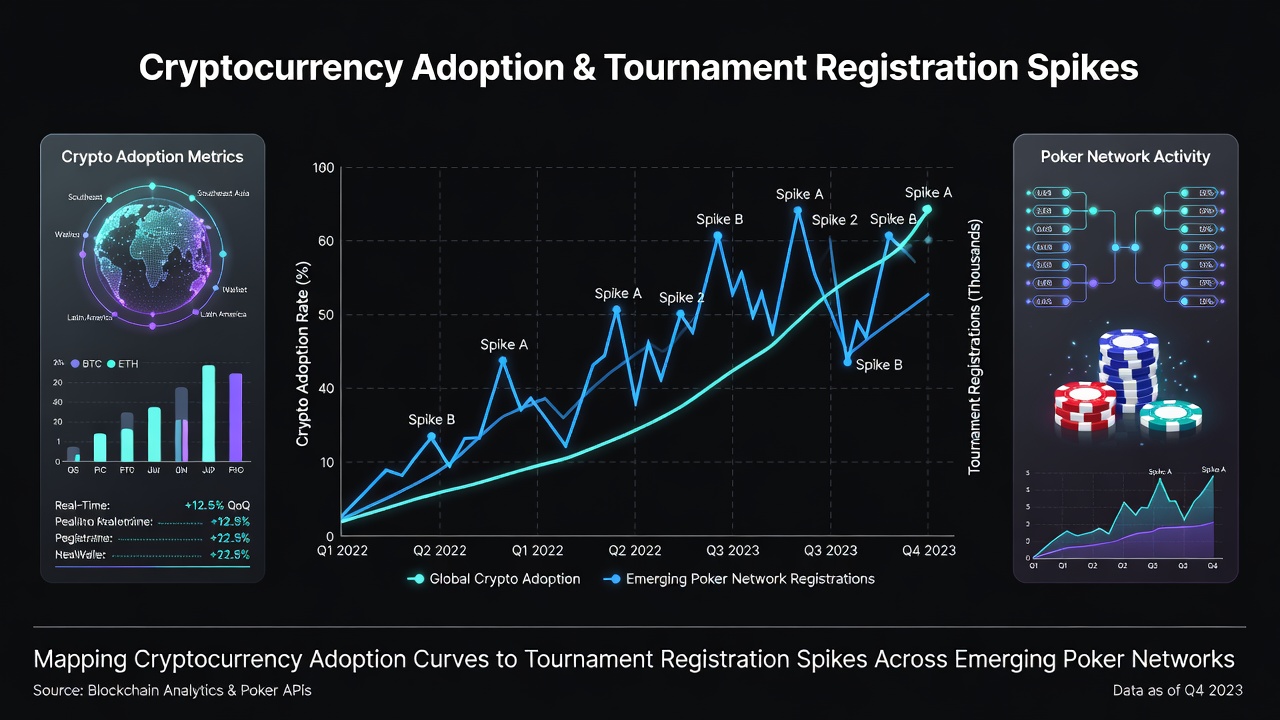
Observers tracking digital finance and gaming sectors note that cryptocurrency adoption curves often align with registration increases on newer poker networks operating in regions with limited traditional banking access, and data compiled through late 2026 reveals measurable overlaps in timing and volume. Analysts from multiple research groups have examined transaction logs alongside tournament sign-up records to identify these alignments, particularly in networks serving players across Southeast Asia and parts of Eastern Europe.
Tracing Adoption Curves in Digital Currencies
Studies of cryptocurrency penetration show steady growth in wallet creation and transaction frequency during 2025 and into November 2026, with figures from the Bank for International Settlements indicating expanded use of stablecoins for cross-border transfers in emerging economies. Those who monitor these metrics point out that adoption tends to accelerate when local currency volatility rises, creating windows where players seek alternative funding methods for online activities, and poker networks in these markets often record corresponding upticks in new account activations shortly after major crypto price movements or regulatory announcements in neighboring jurisdictions.
Researchers who compiled datasets from several smaller platforms found that spikes in Bitcoin and USDT deposits frequently precede registration surges by three to seven days, especially on sites that added crypto deposit options within the prior twelve months. This pattern holds across networks that launched between 2023 and 2025, where early adopters of digital wallet features experienced registration volumes rising between 18 and 34 percent during periods of heightened crypto trading activity.
Registration Patterns in Emerging Networks
Emerging poker platforms have documented registration increases that coincide with broader cryptocurrency infrastructure improvements, such as the rollout of faster confirmation protocols or partnerships with regional exchanges. Data collected from operators in Latin America and South Asia shows that tournaments scheduled during these infrastructure updates attract higher entry numbers, with mid-stakes events seeing the most pronounced gains compared to micro-stakes formats that already maintained steadier participation.
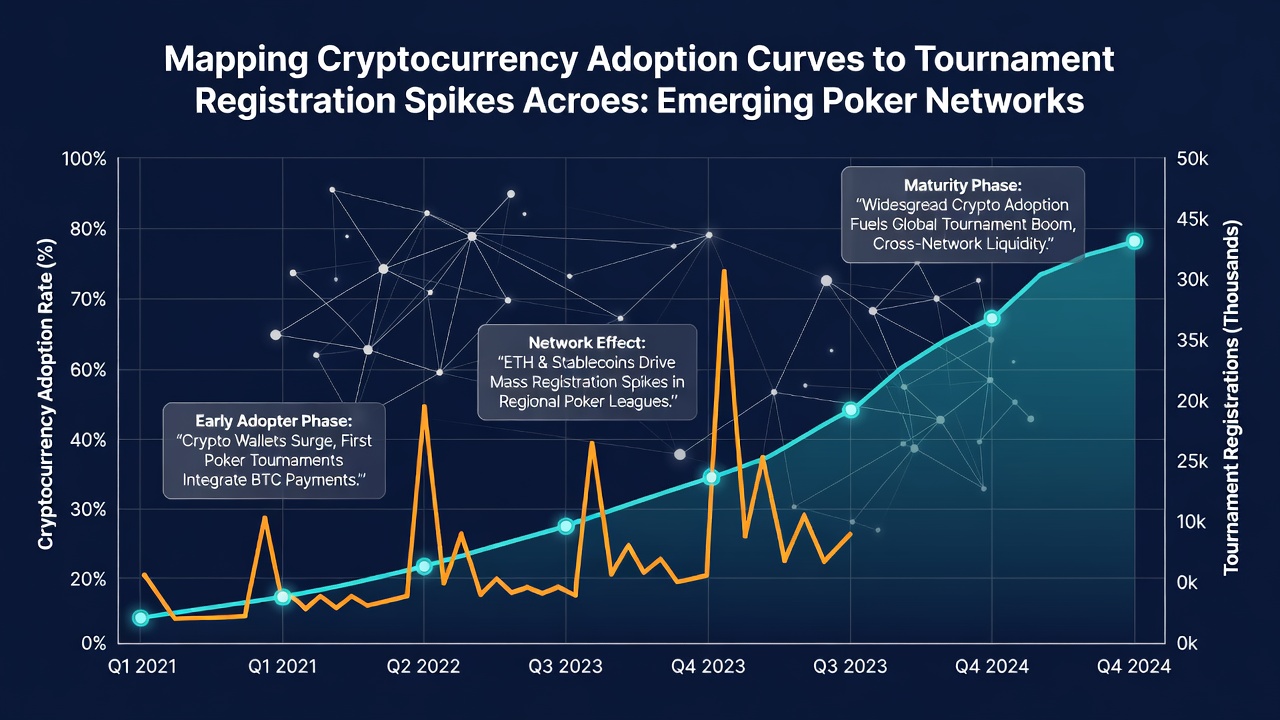
One longitudinal review covering twelve networks identified that platforms integrating crypto withdrawal options experienced fewer drop-offs between registration and actual play, suggesting that seamless funding flows contribute to higher completion rates. Figures reveal that networks without such integrations recorded average completion rates 12 percent lower during comparable time frames, while those with established crypto pathways maintained steadier engagement through the final months of 2026.
Linking External Factors to Observed Spikes
Academic papers examining player behavior indicate that external events like local banking restrictions or currency controls often accelerate both cryptocurrency adoption and poker network sign-ups in tandem. A report prepared by economists at the University of Melbourne examined data from Australian and New Zealand players migrating toward crypto-enabled sites during periods of tightened payment regulations, noting registration clusters that matched documented increases in crypto wallet activity reported by regional exchanges.
Network operators have reported that promotional campaigns timed with crypto market rallies produce registration volumes exceeding baseline expectations, and analysts attribute part of this effect to word-of-mouth sharing within crypto communities that overlap with online poker discussion forums. Those studying these intersections emphasize that the correlation strengthens when networks offer deposit bonuses specifically tied to cryptocurrency transactions rather than fiat methods.
Geographic Variations in Alignment Strength
Comparisons across regions demonstrate that the mapping between crypto curves and registration spikes appears more pronounced in jurisdictions where traditional payment rails face delays or higher fees. Networks focused on Southeast Asian markets recorded some of the clearest overlaps during 2026, while platforms serving North American players showed weaker but still detectable alignments, according to aggregated operator data shared with industry research consortia.
Observers note that networks expanding into Africa and the Middle East during 2025 encountered similar dynamics once local crypto exchange volumes grew, with tournament calendars filling more rapidly in the weeks following increased stablecoin liquidity announcements. These patterns suggest that infrastructure readiness in both crypto and gaming sectors plays a central role in determining how quickly registration numbers respond to adoption shifts.
Conclusion
Available datasets through November 2026 support the observation that cryptocurrency adoption trajectories frequently map onto registration movements within emerging poker networks, with the strongest signals appearing in markets where alternative payment channels fill gaps left by conventional systems. Continued monitoring of transaction and entry statistics will clarify whether these alignments persist as both sectors mature and as regulatory frameworks evolve across different regions.