12 Oct 2026
Cross-Platform Synchronization Tools Alter Global Patterns in Poker Tournament Participation

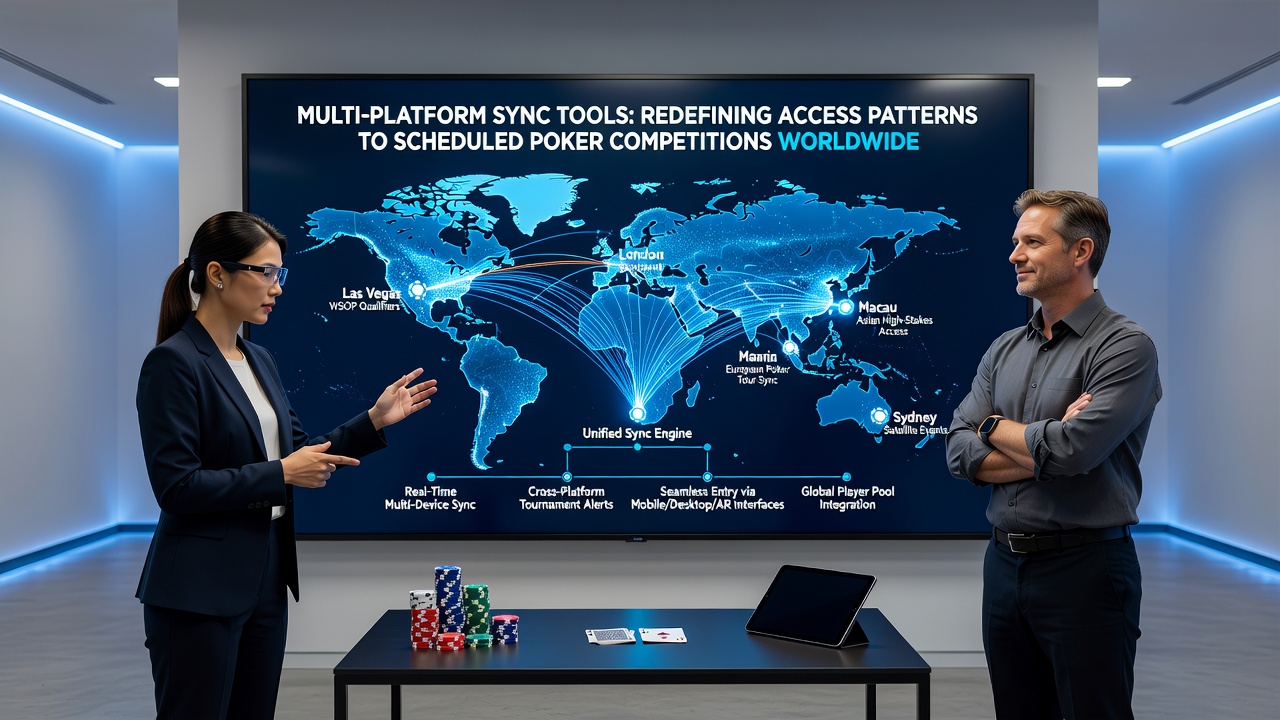
Multi-platform synchronization tools now connect desktop clients, mobile applications, and web interfaces for poker networks, allowing players to receive instant updates on tournament schedules regardless of device. These systems pull data from central servers and push notifications or calendar entries across ecosystems, which changes how participants locate and register for events in regions from North America to Asia-Pacific. Data from industry reports shows rising adoption rates during 2025 and into 2026 as operators integrate APIs that standardize schedule feeds.
Observers note that players no longer rely on single-device logins to monitor upcoming competitions, since sync features maintain consistent views of registration windows, blind levels, and satellite qualifiers. In October 2026 several major networks reported spikes in cross-device activity during major series periods, with figures indicating higher entry volumes from users who toggled between tablets at home and phones during commutes.
Technical Foundations Behind Schedule Synchronization
Developers build these tools around cloud-based databases that store tournament metadata in standardized formats, then distribute changes through encrypted channels to authorized clients. Real-time protocols such as WebSockets keep entries aligned while users switch platforms, and calendar export functions integrate directly with external applications like Google Calendar or Apple Reminders. Research from academic institutions including the University of Nevada Las Vegas gaming studies center indicates that reduced latency in these connections correlates with steadier participation rates across time zones.
Security layers include two-factor authentication tied to account profiles rather than individual devices, which allows seamless transitions without repeated verifications. Payment gateways also sync through the same infrastructure, so deposit confirmations appear uniformly whether initiated on a laptop or a smartphone app.
Shifts in Player Access and Entry Behaviors
Participants gain flexibility because sync tools surface schedule information without requiring repeated manual refreshes on each platform. Entry patterns show increased activity during off-peak hours in one region when notifications arrive from servers updated in another. According to statistics compiled by the New Jersey Division of Gaming Enforcement, online poker traffic involving multi-device sessions grew steadily through 2026, particularly for scheduled tournaments rather than cash games.
One documented case involved networks that added unified waitlist features, where players joined queues on desktop and received alerts on mobile when seats opened. This reduced no-shows and altered how organizers projected field sizes, since data flowed continuously instead of in isolated batches. Those who track participation metrics have observed that regions with strong mobile infrastructure, such as parts of Southeast Asia and Australia, demonstrate faster uptake of these synchronized options.
Regional Differences in Adoption and Infrastructure
European operators often pair synchronization capabilities with local regulatory requirements that mandate clear audit trails for entries and fund movements. Australian platforms meanwhile emphasize integration with domestic banking rails, yet the underlying sync engines remain similar. Data compiled by the Australian Communications and Media Authority highlights how consistent schedule access supports compliance reporting while players move between devices during daily routines.
In Canada, provincial frameworks allow operators to test enhanced sync features under controlled pilots, and early results point to broader geographic reach for tournament fields. Observers note that these tools help bridge gaps where internet reliability varies, because cached schedule data remains accessible even during brief connectivity drops, then updates automatically once connections restore.
Integration With Payment and Notification Systems
Sync tools extend beyond calendars to encompass deposit confirmations and bonus eligibility checks, so players view available funds and qualifying conditions on every linked device. This integration supports quicker decisions on satellite entries or direct buy-ins. Industry organizations such as the European Gaming and Betting Association have documented how unified dashboards reduce friction in multi-currency environments common in international poker networks.
Push notification services tied to these platforms send reminders about registration deadlines or structure changes, and users can acknowledge or decline directly from the alert without opening full applications. Such features contribute to steadier engagement patterns, especially during overlapping tournament windows across different time zones.
Conclusion
Multi-platform synchronization continues to standardize access to scheduled poker competitions by linking schedule data, entry processes, and notifications across devices. Evidence from regulatory bodies and academic tracking shows measurable changes in participation timing and geographic spread as these capabilities expand. Operators that maintain consistent sync performance position themselves to serve expanding player bases through 2026 and beyond, while participants benefit from reduced device dependency when planning tournament involvement worldwide.