3 Aug 2026
Interfaces That Guide: Examining Software Design Influences on Deposit Behaviors and Tournament Approaches in Poker Networks
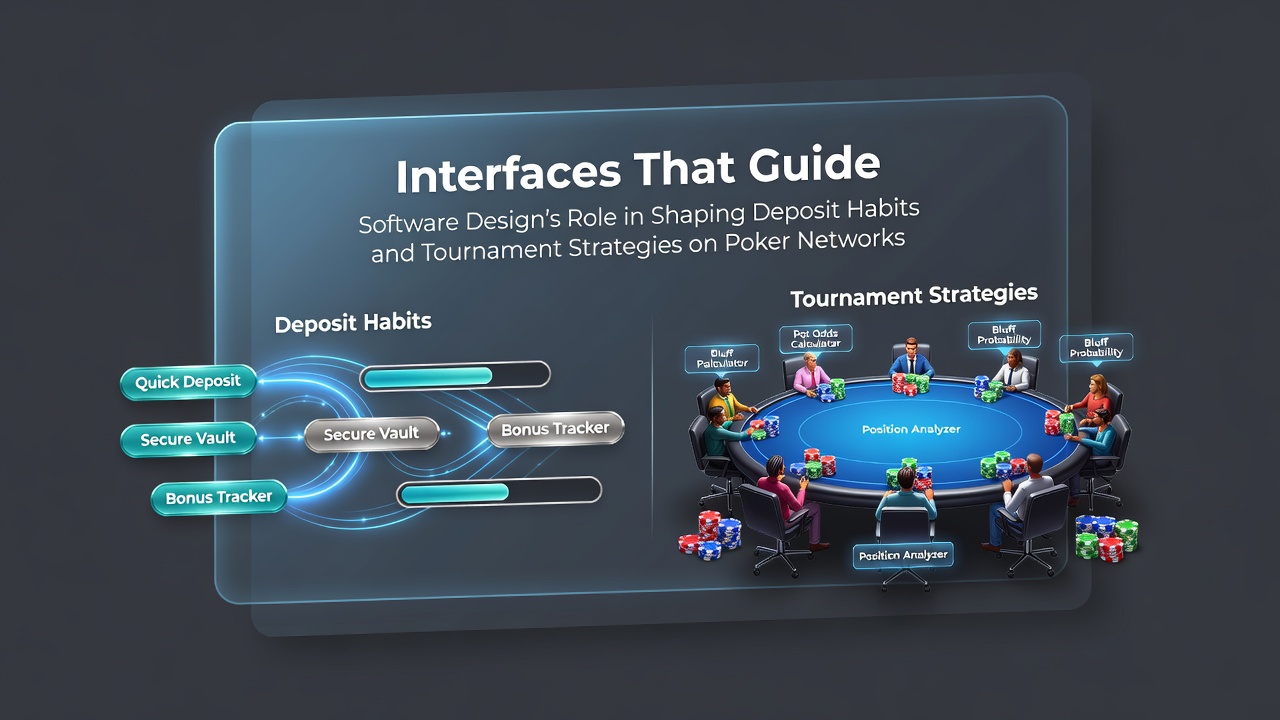
Software interfaces on poker networks have developed specific layouts that direct how players complete deposits and select tournament entries, with data from multiple platforms showing measurable shifts in these patterns during 2026. Design choices such as button placement, color coding, and notification timing connect directly to funding frequency and event participation rates, according to industry reports compiled through mid-year platform audits.
Core Design Elements That Shape Funding Actions
Platform developers arrange deposit screens with prominent quick-fund buttons and saved payment methods that reduce steps between decision and transaction completion, while progress bars and confirmation prompts appear at consistent intervals across sessions. Research from academic studies on digital payment flows indicates these features correlate with higher deposit completion rates among users who log in during evening hours, particularly when networks run simultaneous satellite qualifiers. Observers note that wallet integration options positioned at the top of menus receive more clicks than those listed further down, a pattern documented in usage logs from several major sites operating in August 2026.
Visual Cues and Notification Timing
Color highlights on low-balance alerts and pop-up reminders for upcoming events guide players toward immediate funding actions before tournament registration windows close, and these prompts often include direct links to deposit forms pre-filled with common amounts. Figures from platform analytics reveal that networks using animated timers on deposit pages experience shorter intervals between login and transaction initiation compared with static displays, especially among mobile users who switch between devices mid-session. One study of interface variations across European operators found that green-toned confirmation screens after successful deposits led to follow-up actions within the same hour at elevated rates.
Connections Between Interface Layouts and Tournament Entry Patterns
Tournament lobbies incorporate filter systems and recommendation engines that surface events matching a player's prior buy-in levels and available bankroll, which in turn influences how often users adjust their deposit amounts to match suggested entries. Data collected during the 2026 summer schedule shows that players exposed to highlighted daily guarantee tournaments on the main screen registered for those events at higher volumes than for unpromoted alternatives, while the placement of satellite qualifiers directly below main events increased cross-participation. Network operators have adjusted these layouts in response to aggregated user behavior tracked through August 2026, resulting in more streamlined paths from deposit confirmation to registration buttons.

Regional Regulatory Contexts and Platform Adaptations
Operators serving multiple jurisdictions adapt interface elements to comply with local rules on deposit limits and responsible gaming prompts, which affects how frequently users encounter funding reminders before entering high-stakes events. Reports from the Nevada Gaming Control Board and the Australian Communications and Media Authority document variations in prompt frequency that align with different regional requirements, and these differences produce distinct participation curves across player cohorts. Platform updates released in early 2026 incorporated region-specific display rules that altered the sequence of deposit and registration steps without changing core functionality.
Payment Integration Effects on Strategy Development
Integration of multiple funding methods within the same client allows players to switch between options mid-session, and usage statistics indicate this flexibility correlates with more varied tournament schedules rather than repeated entries into the same buy-in tier. Those who study player behavior across networks observe that seamless e-wallet connections positioned near tournament calendars encourage last-minute adjustments to entry plans, particularly when networks add new events during peak hours. Industry data compiled through the first half of 2026 shows gradual increases in multi-table participation among users who completed deposits through integrated methods compared with those using external redirects.
Conclusion
Software design continues to link deposit mechanics with tournament selection through consistent interface patterns that appear across major poker networks, and ongoing platform refinements in 2026 demonstrate how small layout adjustments produce measurable changes in user actions. Regulatory bodies and research groups track these developments to understand broader participation trends, while operators refine elements based on aggregated usage data collected throughout the year. The relationship between visual and functional design choices and player funding and entry habits remains a central factor in how networks organize their client experiences.