12 Aug 2026
Mapping the Ripple Effects of Real-Time Funding Tools on Player Migration Patterns Across International Poker Networks

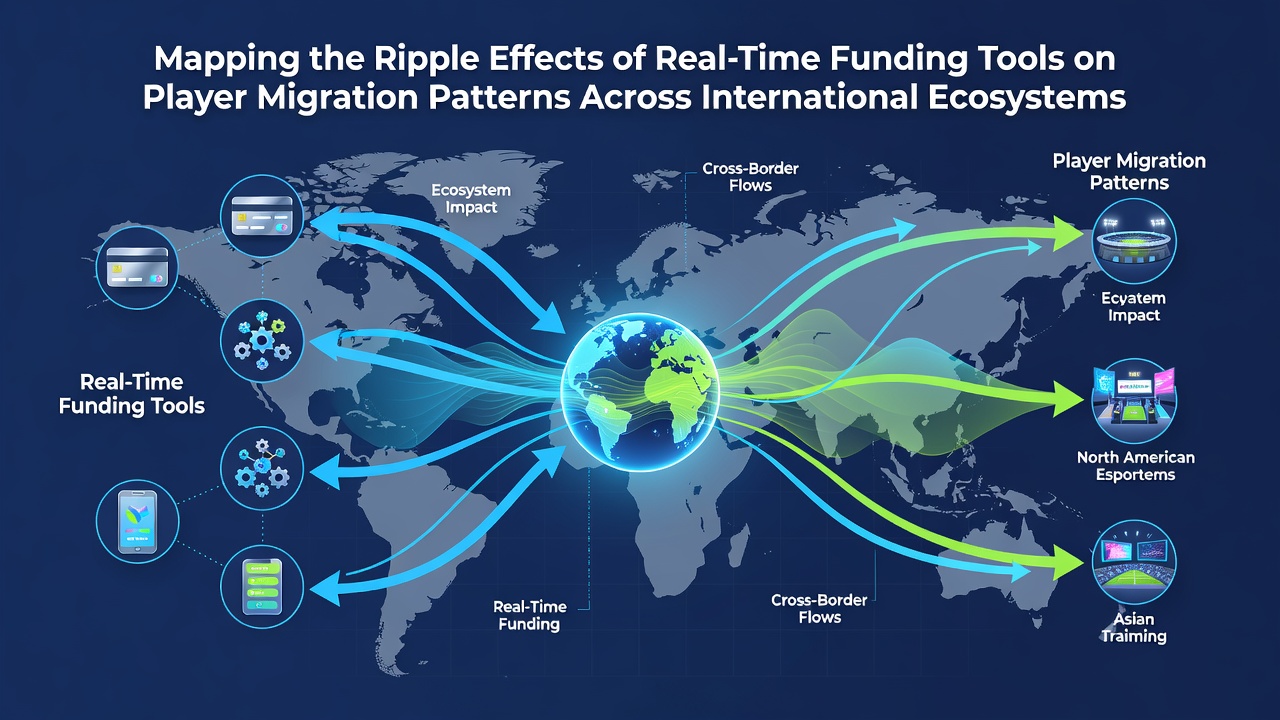
Real-time funding tools have altered how players move across poker networks by allowing instant deposits and withdrawals that sync directly with tournament schedules and bankroll management decisions, and data from multiple regions shows increased cross-border activity since early 2025. Players now switch platforms within minutes rather than waiting for traditional processing times, which creates measurable shifts in traffic volumes on sites operating in Europe, North America, and Asia-Pacific markets.
How Real-Time Funding Integrates with Tournament Entry
These tools connect digital wallets and banking APIs to poker clients so users can fund accounts without leaving the app, and observers note that participation spikes occur during peak freeroll windows in August 2026. Networks report higher completion rates for scheduled events because deposit friction drops, allowing players to react to schedule changes announced hours earlier. Researchers tracking activity across platforms found that average session length before migration decisions shortened by roughly 18 percent in the first half of 2026 compared with prior years.
Observed Migration Patterns Across Regions
Traffic data indicates players from North American networks increasingly test European sites when real-time options align deposit bonuses with major series, while Asia-Pacific users move toward platforms offering faster crypto-linked funding. Studies compiled by the Responsible Gambling Council show that seamless funding correlates with a 12 percent rise in multi-network participation among mid-stakes regulars. Migration tends to follow deposit method availability rather than game variety alone, and analysts tracking August 2026 tournaments recorded repeated movement between three major networks within single weeks.
Technical Factors Driving Shifts
API latency reductions and instant verification protocols enable the speed users expect, and platform operators have adjusted server routing to handle simultaneous funding requests from different time zones. When one network experiences brief verification delays, players migrate to alternatives that maintain sub-second confirmation times, and this pattern repeats during high-volume periods such as weekend main events. Software updates rolled out in spring 2026 further tightened these connections, leading to documented changes in player location data reported by network analytics teams.
Regulatory and Operational Context
Government agencies in Canada and Australia have updated reporting requirements around instant funding features, requiring operators to log migration timestamps alongside deposit records, and these logs reveal consistent patterns of movement tied to bonus release timing. Industry reports from the European Gaming and Betting Association document similar trends in EU markets where licensing frameworks permit real-time tools. Networks operating under multiple jurisdictions now maintain separate funding pathways to comply with regional rules while preserving the speed that drives player retention.
Case Examples from 2026 Activity
One documented instance involved a mid-stakes cohort shifting from a North American-focused network to an international platform after the latter introduced instant funding paired with a series of August freerolls, and traffic logs showed a sustained 9 percent increase in entries over three consecutive weeks. Another group moved in the opposite direction when a European site updated its verification process, causing temporary slowdowns that prompted users to return to networks offering uninterrupted real-time options. These movements appear localized to specific stake levels and time zones rather than representing broad network abandonment.
Conclusion
Real-time funding tools continue to reshape how players navigate international poker networks by reducing barriers between deposit actions and tournament participation, and ongoing data collection in August 2026 captures these dynamics across regions. Patterns observed so far suggest that further refinements in API speed and regional compliance will sustain the migration trends already underway.