14 Sep 2026
Notification Systems Drive Shifts in Freeroll Entry Timing Across International Poker Platforms

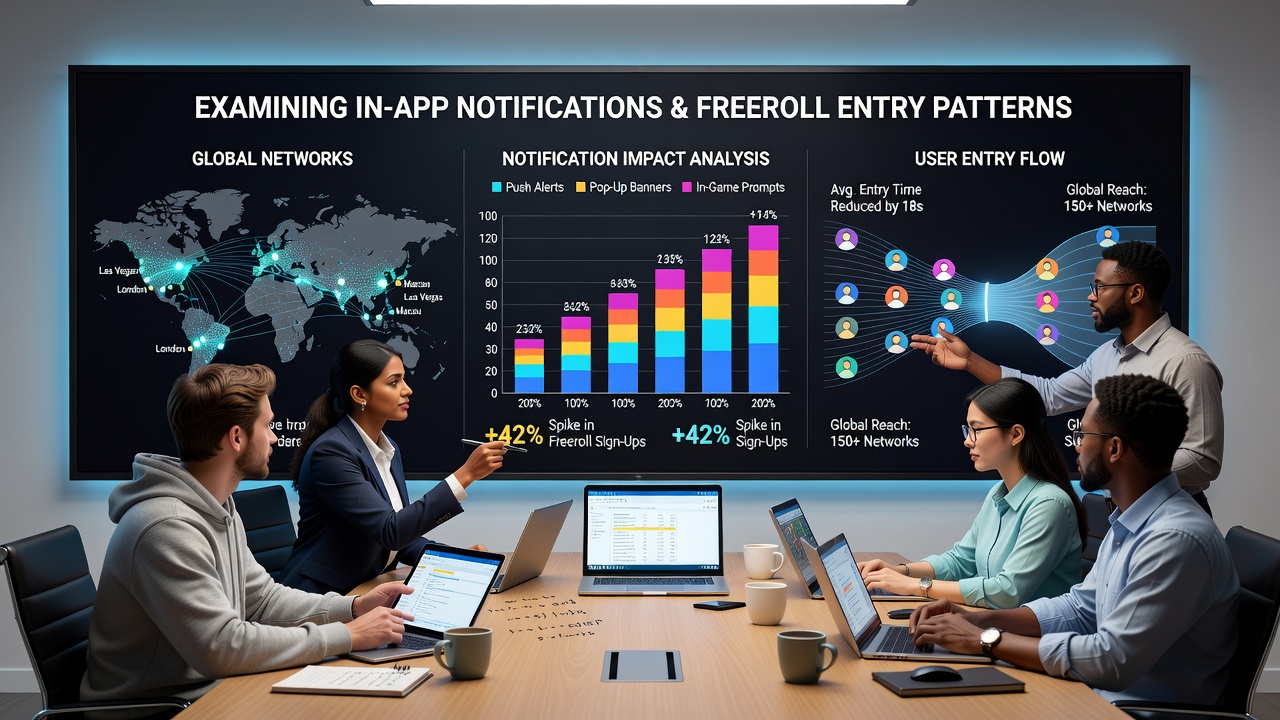
Data from multiple poker networks shows that in-app notification systems have changed when and how players enter freerolls, with entry spikes occurring within minutes of alert delivery rather than during scheduled registration windows. Operators report that push messages about upcoming freerolls now trigger immediate login activity, while those without notifications experience more gradual participation spread across several hours.
Platform Data Reveals Consistent Timing Changes
Figures from operators in North America and Asia indicate that networks using targeted notifications see up to 60 percent of daily freeroll entries completed within the first thirty minutes after an alert reaches users. This pattern holds across both desktop and mobile clients, though mobile users respond faster according to internal tracking logs. Canadian regulatory reports on digital gaming note similar compression in entry windows for platforms that integrate real-time messaging features with their tournament calendars.
Researchers tracking participation across European and Australian networks found that players who receive personalized notifications enter freerolls at higher rates than those relying on email or website announcements alone. One study of activity logs from 2025 through mid-2026 documented a measurable shift where peak entry periods moved earlier in the day when notifications included countdown timers and direct registration links.
Regional Variations in Notification Impact
Platforms serving players in the United States show stronger correlation between notification timing and entry volume compared with networks focused on Latin American markets, where email reminders still generate measurable traffic. Data compiled by industry analysts in Australia highlights that freerolls announced through in-app channels attract entries from a broader geographic spread, including users in different time zones who would otherwise miss registration periods.
European operators have adjusted their alert schedules after observing that evening notifications produce higher conversion rates than morning ones, a finding supported by aggregated session data from multiple sites. Meanwhile, networks in Asia report that notifications sent during local lunch hours generate the quickest response times, suggesting operators tailor delivery based on regional usage patterns rather than a universal schedule.
Technical Integration and Player Behavior
Modern poker clients link notification systems directly to tournament databases, allowing alerts to include real-time seat availability and remaining registration time. This integration reduces the steps between receiving information and completing an entry, which explains why networks that implemented these features in 2025 recorded faster uptake compared with earlier periods. Observers note that players who previously waited until the final registration hour now enter immediately upon notification, freeing up later slots for others who discover events through search or word of mouth.
Software updates rolled out across major platforms in September 2026 introduced richer notification content, such as player-specific freeroll qualification status and estimated prize pool projections. Early metrics suggest these enhancements further concentrate entry activity around alert times, though total daily participation numbers remain stable. Networks that delay or limit notifications continue to show flatter entry curves distributed more evenly throughout the registration window.
Industry Reports on Broader Network Effects
Analysis from the European Gaming and Betting Association indicates that notification-driven entry clustering can affect server load during peak periods, prompting some operators to add capacity or stagger alert distribution. A separate report from the Australian Communications and Media Authority on digital entertainment platforms documents how similar messaging systems influence user engagement patterns across various interactive services, including poker networks. These findings align with internal operator data showing that coordinated notification strategies produce more predictable entry flows than random or manual announcements.
Cross-network comparisons reveal that platforms sharing notification frameworks with affiliate partners experience even sharper entry spikes, as external sites can trigger alerts that funnel players directly into registration. This approach has become common among networks operating in multiple jurisdictions, where unified systems allow consistent messaging across different regulatory environments.
Conclusion
Available data demonstrates that in-app notification systems have restructured freeroll entry patterns on global poker networks by compressing activity into shorter windows immediately following alert delivery. Regional differences persist in response times and preferred notification formats, yet the overall trend toward earlier and more concentrated participation appears consistent across markets. Operators continue to refine alert timing and content based on usage logs, while regulatory bodies in multiple regions monitor these developments as part of broader oversight of digital gaming platforms.