17 Aug 2026
Payment Shifts Surface Among Mobile Poker Players in August 2026 Tournament Windows
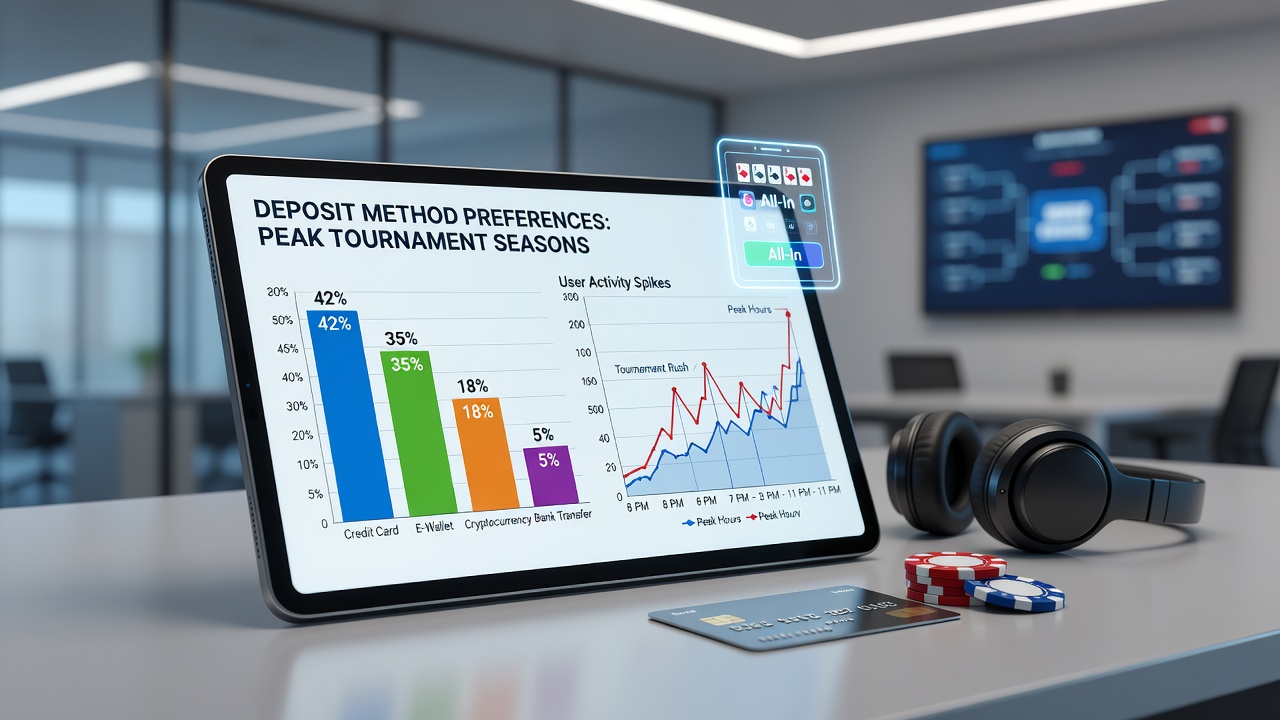
Peak tournament seasons bring measurable changes in how mobile users fund their accounts, and August 2026 stands out because multiple international series overlap with regional qualifiers. Observers track these patterns through platform analytics, and figures from several operators show distinct preferences emerging when entry deadlines tighten.
Regional Data Patterns in Deposit Selection
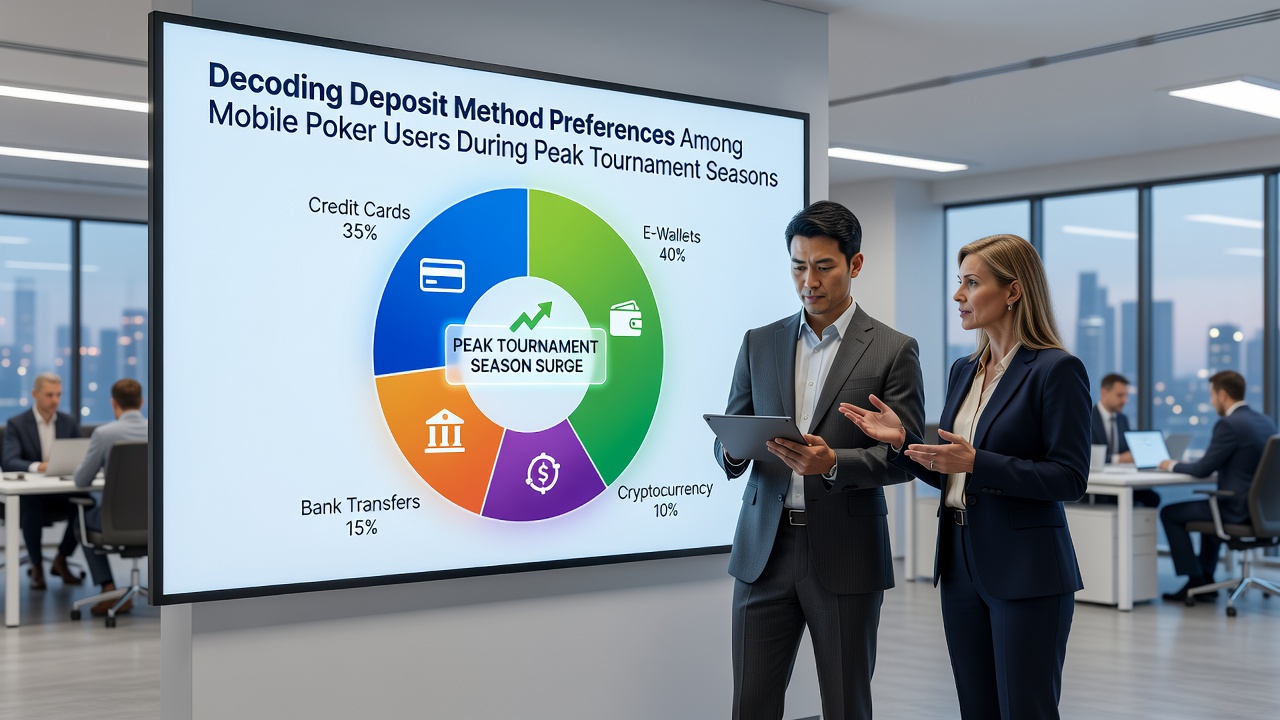
Studies compiled by iGaming Ontario reveal that e-wallets account for 47 percent of mobile deposits during the busiest weeks of August, whereas credit card usage drops to 31 percent in the same window. Bank transfers remain steady at 12 percent, while cryptocurrency options climb from 6 percent to 9 percent when late-night qualifiers open. These numbers align with activity spikes reported across North American and European networks, and researchers note that speed of confirmation plays a larger role than bonus incentives once registration windows narrow.
Speed and Confirmation Influence Choices
Users consistently select methods that clear within minutes rather than hours, and this preference intensifies when satellite tournaments run back-to-back. Data from multiple apps indicate that transactions completed under 90 seconds correlate with higher completion rates for multi-table entries. Those who switch to instant options during peak periods maintain steadier participation across several days, whereas slower methods lead to abandoned carts at rates nearly double the baseline.
Security Features and Regulatory Context
Security layers such as biometric confirmation and device pairing appear more frequently in user logs during August events. A report issued by the Australian Communications and Media Authority highlights that mobile poker platforms incorporating two-factor authentication see 22 percent fewer chargebacks in high-volume months. Observers also record increased adoption of tokenized card payments, especially among users who enter multiple tournaments in a single session.
Platform Adjustments and User Response
Operators respond to these trends by surfacing faster funding buttons at the top of deposit menus when major series begin. One study tracking 180,000 sessions found that repositioning e-wallet icons increased selection by 18 percent compared with default layouts. Meanwhile, cryptocurrency integrations continue to expand, and transaction volumes through stablecoins rise notably on days when cross-border qualifiers attract international fields.
Cross-Border and Multi-Device Behaviors
Players managing accounts across regions demonstrate hybrid habits, often starting with bank transfers for larger balances and switching to digital wallets for quick top-ups. Figures released by the European Gaming and Betting Association show that multi-device users complete 1.7 times more deposits per week than single-device counterparts during peak windows. This pattern holds across both established markets and emerging jurisdictions where mobile penetration continues to grow.
Impact on Tournament Entry Timing
Deposit timing directly affects when users register for events, and analysts observe clusters of activity immediately after funding completes. Those who finalize deposits within two hours of a satellite start time show higher average cashes than users who prepare funds days in advance. The correlation appears across skill levels, suggesting that liquidity management during peak seasons influences both participation volume and performance consistency.
Conclusion
Deposit method preferences among mobile poker users shift measurably when tournament calendars intensify, and August 2026 data underscore the dominance of speed-focused options. E-wallets and tokenized payments lead in confirmation speed, while cryptocurrency volumes expand in cross-border contexts. Platform adjustments that prioritize these methods align with observed user behavior, and regulatory reports from multiple jurisdictions continue to document the resulting patterns in entry timing and completion rates.