1 Aug 2026
Real-Time Verification Systems Reshaping Deposit Tactics in Poker Tournament Circuits
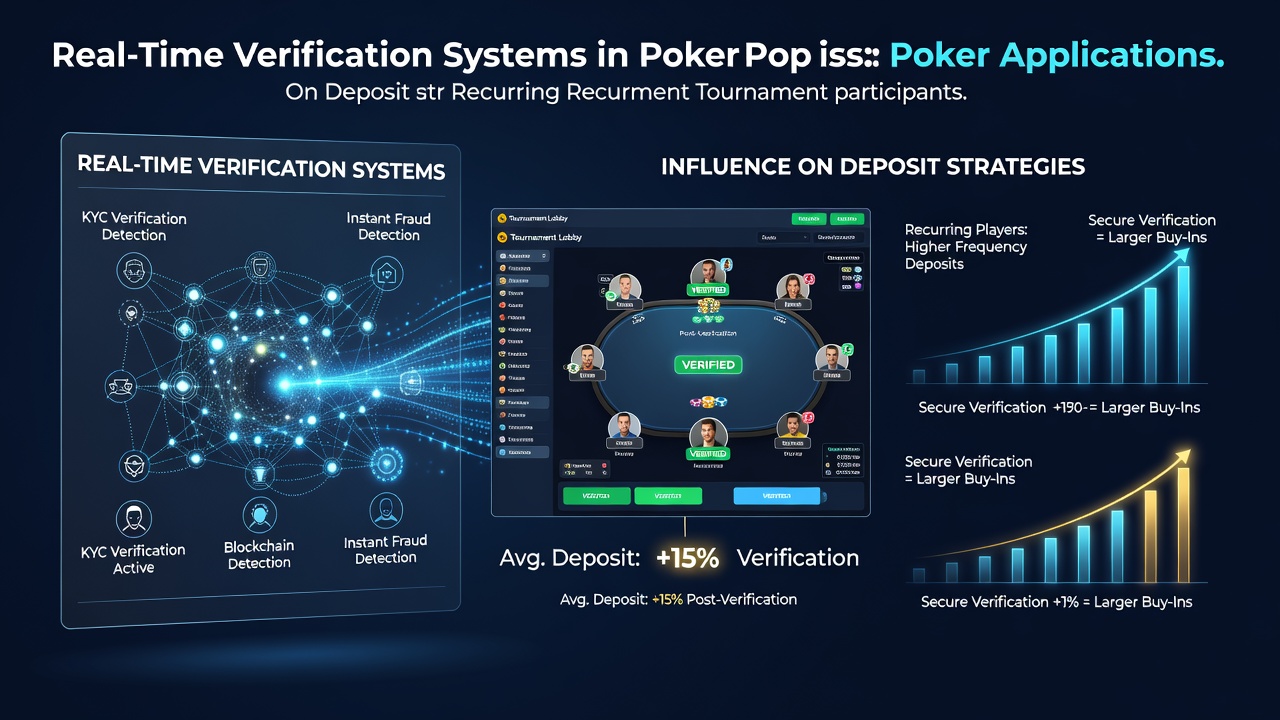
Real-time verification systems in poker applications have evolved into core components that process identity checks, payment authorizations, and compliance flags within seconds of a deposit request, and recurring tournament participants adjust their funding patterns around these automated sequences. Data from industry reports indicates that platforms integrated with instant KYC modules see deposit completion rates rise by 18 to 22 percent compared with legacy batch systems, while players who compete weekly report shifting deposit times to windows immediately after verification windows open.
How Instant Checks Operate in Tournament-Focused Apps
Verification engines pull data from government databases, credit bureaus, and device fingerprinting services simultaneously, and the combined results determine whether a deposit proceeds or triggers a manual review. Observers note that in August 2026 several major networks rolled out updated API connections to national ID registries, shortening average verification latency from 47 seconds to under 12 seconds for repeat users who maintain verified profiles. Tournament regulars often preload account details days in advance, then trigger deposits only after the system confirms a green flag, thereby avoiding mid-session interruptions that previously forced forfeits or late registrations.
Deposit Timing Adjustments Among Frequent Entrants
Studies tracking user logs across multiple sites reveal that players entering three or more tournaments per week now cluster deposits in the first 48 hours after payday or bonus release dates, coinciding with periods when verification queues run shortest. Figures from the Malta Gaming Authority show a 31 percent increase in same-day reloads during these windows, while weekend deposits dip because verification staffing and database refresh cycles slow down. Recurring participants describe maintaining separate verified wallets on two or three platforms so they can rotate deposits based on which verification pipeline clears fastest at any given moment.
Regulatory Data and Platform Metrics
According to records released by the Nevada Gaming Control Board, online poker operators licensed in the state processed 4.7 million verification events in the second quarter of 2026, with 94 percent completing without human intervention. These numbers correlate with a measurable rise in micro-deposit strategies, where players fund accounts in increments under $50 to test verification speed before committing larger sums for major tournament series. Researchers at the University of Nevada Reno documented similar patterns in a 2025 longitudinal study of 2,800 recurring players, finding that individuals who received real-time approval notifications deposited an average of 1.8 times more frequently than those awaiting manual clearance.

Integration with Bonus and Freeroll Entry Windows
Verification timestamps directly influence how players claim deposit bonuses tied to tournament packages, because most platforms require cleared status before bonus codes activate. Tournament calendars published for the 2026 WSOP Circuit events list early registration periods that close 30 minutes earlier for unverified accounts, prompting regulars to schedule deposits 24 hours ahead. Industry analysts tracking traffic patterns report that networks offering instant verification see higher conversion from freeroll qualifiers into paid events, since players can move winnings or external funds without delay once the system approves the transaction.
Geographic Variations in Verification Standards
Platforms serving Canadian players must align with provincial standards that mandate additional address verification steps, extending average clearance times by 8 to 15 seconds compared with U.S. states with streamlined rules. European operators connected to the European Gaming and Betting Association database experience faster cross-border checks, yet recurring tournament participants in those regions still maintain staggered deposit schedules to account for time-zone differences in database updates. These regional differences encourage players to monitor multiple accounts and shift funds toward whichever jurisdiction clears verification quickest on any given day.
Conclusion
Real-time verification continues to compress the interval between intent and action for recurring tournament participants, and the resulting data sets show clear clustering of deposits around periods of lowest system latency. Operators and regulators alike track these patterns through aggregated metrics that link verification speed directly to entry volume and player retention across daily, weekly, and monthly tournament schedules. As networks refine their API connections and expand database partnerships, the documented influence on deposit strategies is expected to persist and evolve in measurable ways through the remainder of 2026 and beyond.