31 Aug 2026
Tiered Loyalty Programs Reshaping Deposit Patterns and Tournament Entry Choices on Digital Poker Platforms
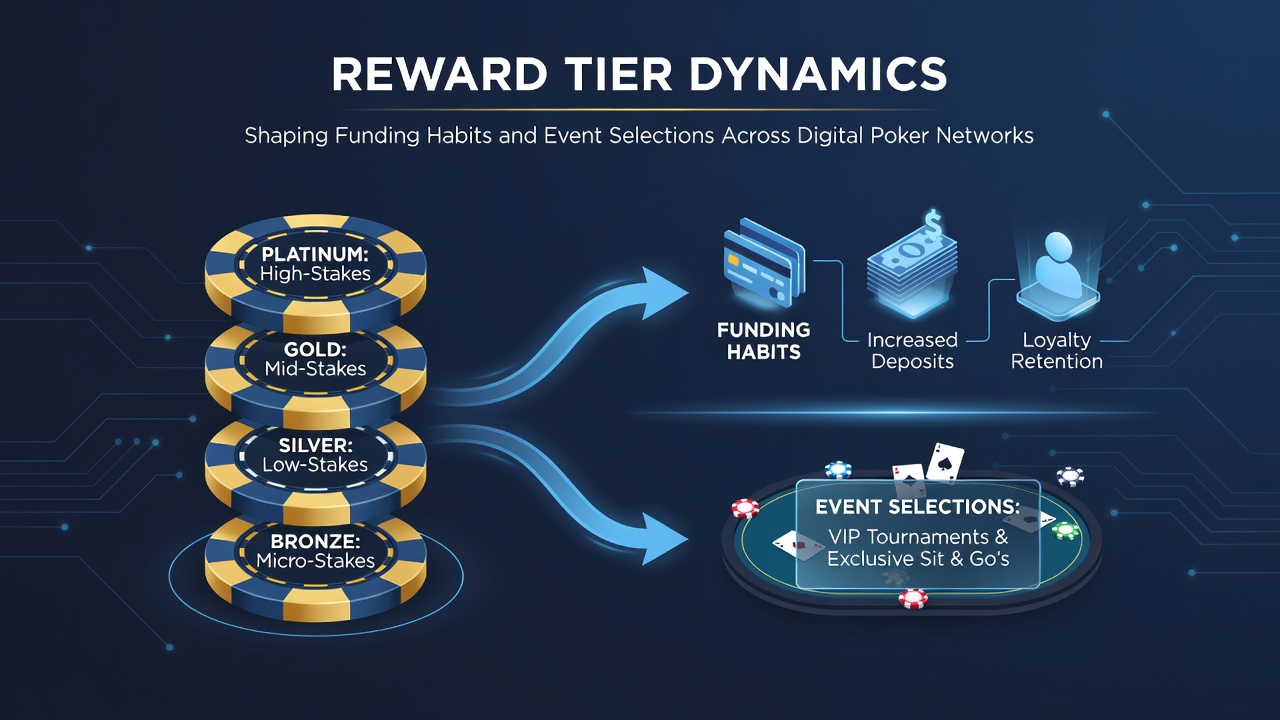
Digital poker networks have integrated multi-level reward structures that tie player funding activity directly to access levels and event eligibility. These systems track deposit frequency, volume, and consistency to assign tier status, which in turn unlocks scaled benefits such as reduced rake, bonus credits, and priority registration for scheduled tournaments.
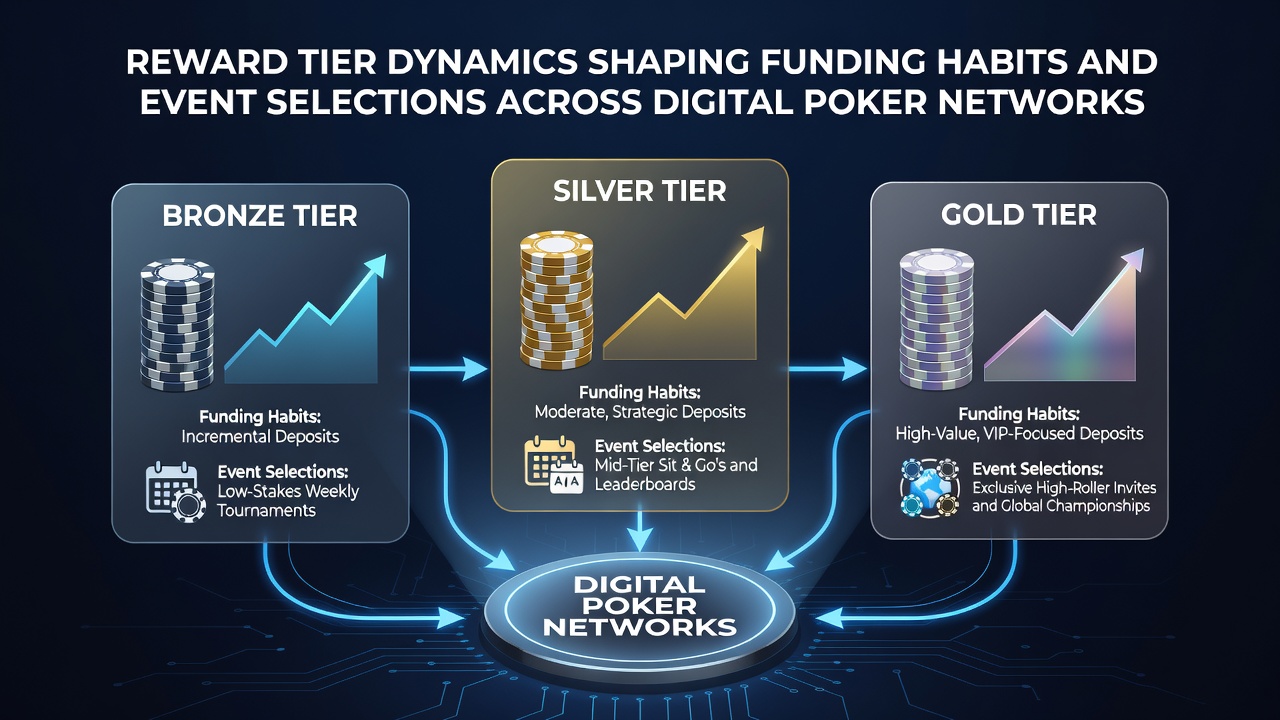
Observers note that higher tiers often correlate with increased deposit sizes because the incremental rewards become more substantial at each progression point. Data from major platforms shows players advancing through tiers tend to maintain steadier funding schedules rather than sporadic large transfers, since consistent activity preserves status and compounds associated perks.
Mechanics of Tier Progression and Funding Incentives
Most networks calculate tier advancement using a combination of deposit totals over rolling periods and active play volume. Players receive points for each deposit and for rake generated, with thresholds resetting monthly or quarterly depending on the operator. Those who reach elevated tiers gain access to cashback percentages that increase with status, creating a feedback loop where continued deposits support both immediate play and long-term reward accumulation.
Research indicates that players at mid-tier levels adjust their deposit timing to align with bonus release windows, often coordinating transfers with upcoming tournament schedules. This alignment allows them to maximize value from reload bonuses that require specific funding amounts within defined windows, which platforms promote as part of tier maintenance requirements.
Impact on Event Selection Across Networks
Tier benefits frequently include direct entry tickets or reduced buy-in rates for marquee events, shifting player preferences toward higher-stakes or exclusive tournaments that lower tiers cannot access without additional qualifiers. In August 2026 several networks reported elevated registration numbers for mid-week high-roller satellites among players who had recently advanced tiers, as the associated perks offset entry costs more effectively than standard promotions.
Event calendars on these platforms show that tiered players concentrate entries in series offering leaderboard points or exclusive side events, because these contribute further to status retention. Networks have adjusted their schedules accordingly, introducing more frequent mid-stakes guarantee events timed to coincide with typical deposit cycles observed among advancing players.
Regional Regulatory Context and Platform Adaptations
According to figures released by the Malta Gaming Authority, online poker operators licensed in the jurisdiction reported measurable shifts in player funding behavior coinciding with enhanced loyalty integrations during 2025-2026. Similar patterns appear in reports from the Nevada Gaming Control Board, where tier-driven promotions correlated with steadier deposit flows among regular tournament participants.
Platforms have responded by refining notification systems that alert players when they approach tier thresholds, prompting targeted deposits ahead of major festival periods. This approach maintains engagement while complying with regional requirements around promotional transparency and responsible funding practices.
Observed Patterns in Player Behavior
Those monitoring network activity note that players who maintain consistent tier status demonstrate narrower ranges in their per-session buy-ins compared with lower-tier counterparts, because the accumulated rakeback offsets variance more predictably. Tournament selections also diversify as tier benefits expand, with participants entering more satellite events that feed into flagship tournaments offering additional loyalty multipliers.
Industry reports highlight that networks incorporating cryptocurrency deposit options alongside traditional methods have seen accelerated tier progression among players who value faster transaction confirmations, allowing quicker entry into time-sensitive events. These integrations appear particularly pronounced during peak summer festival windows when multiple overlapping schedules compete for attention.
Conclusion
Reward tier frameworks continue to link funding consistency with expanded event access across digital poker environments. Platforms refine these structures based on observed deposit timing and participation data, while regulatory bodies in multiple jurisdictions track the resulting patterns to ensure compliance. The interplay between tier status, deposit habits, and tournament selection remains a central feature of player engagement on these networks as of August 2026.